1
/
of
5
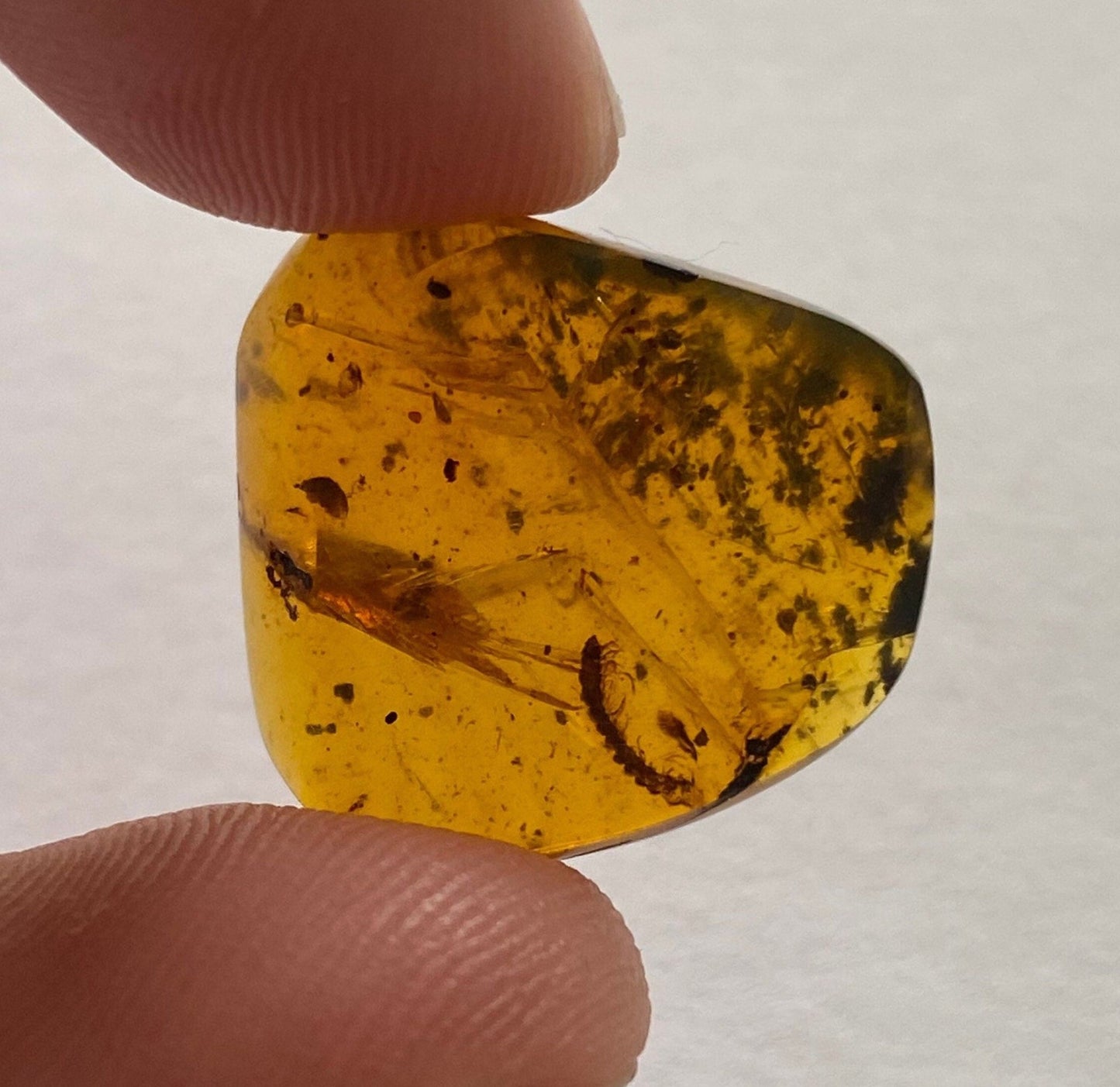
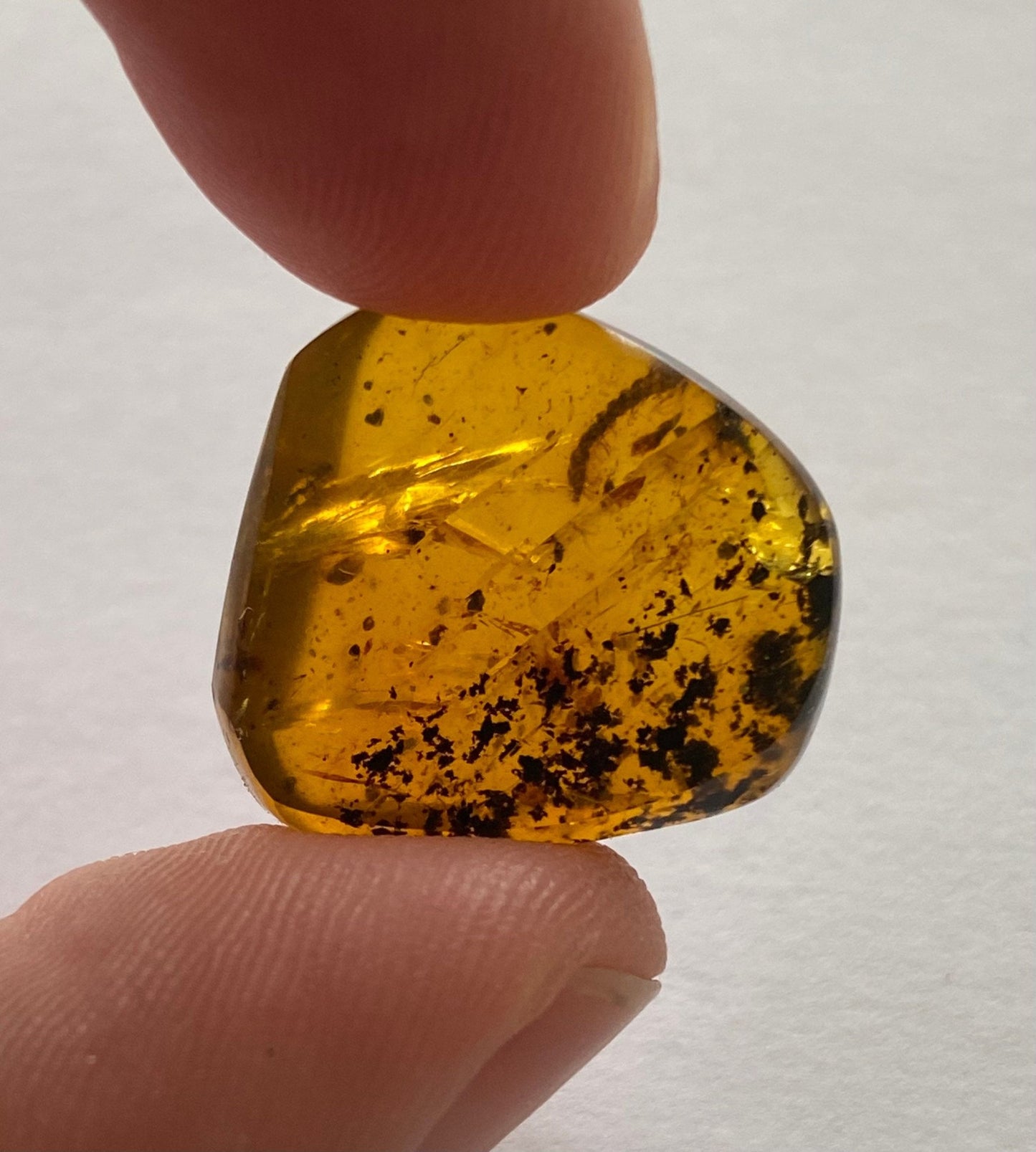
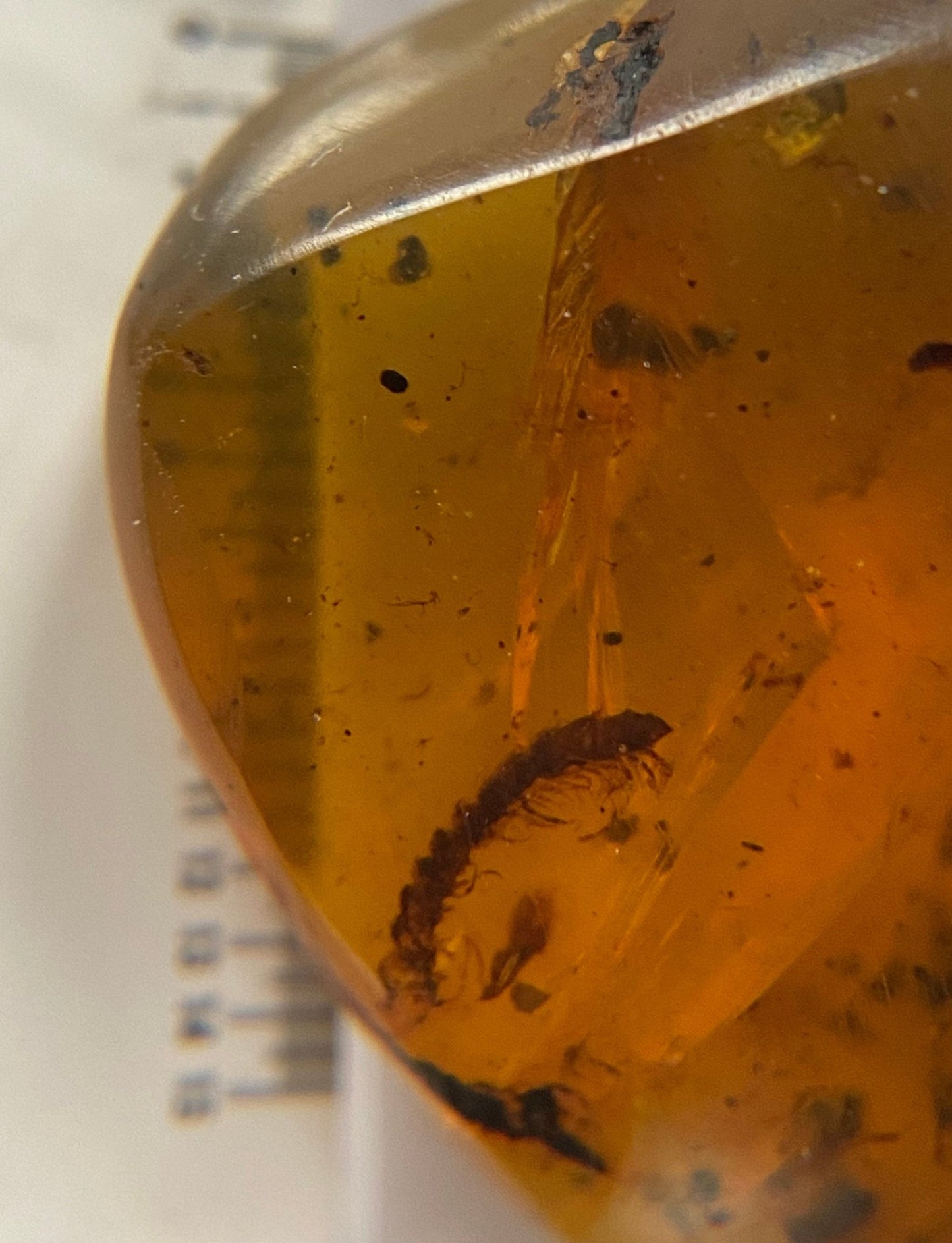
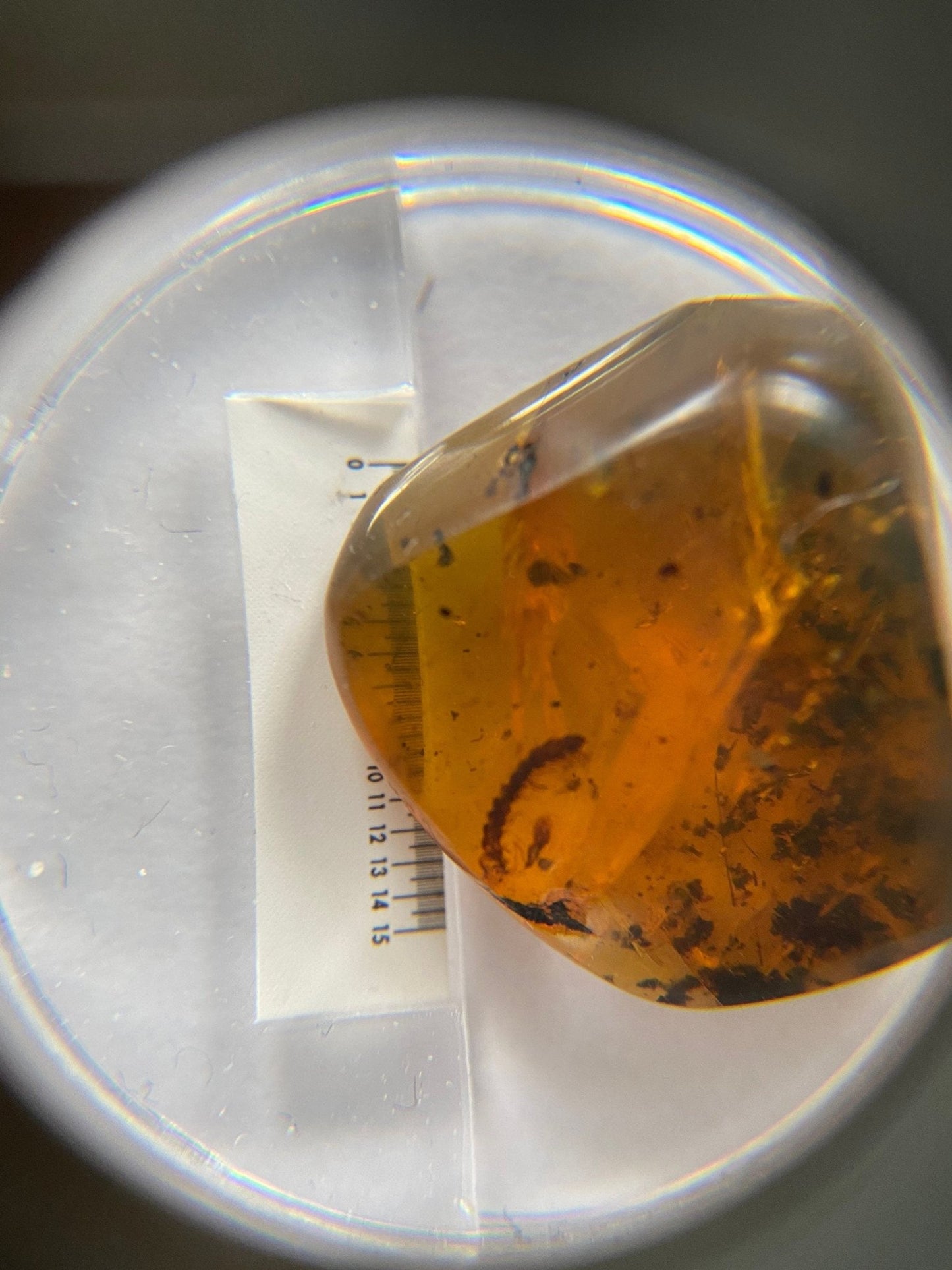
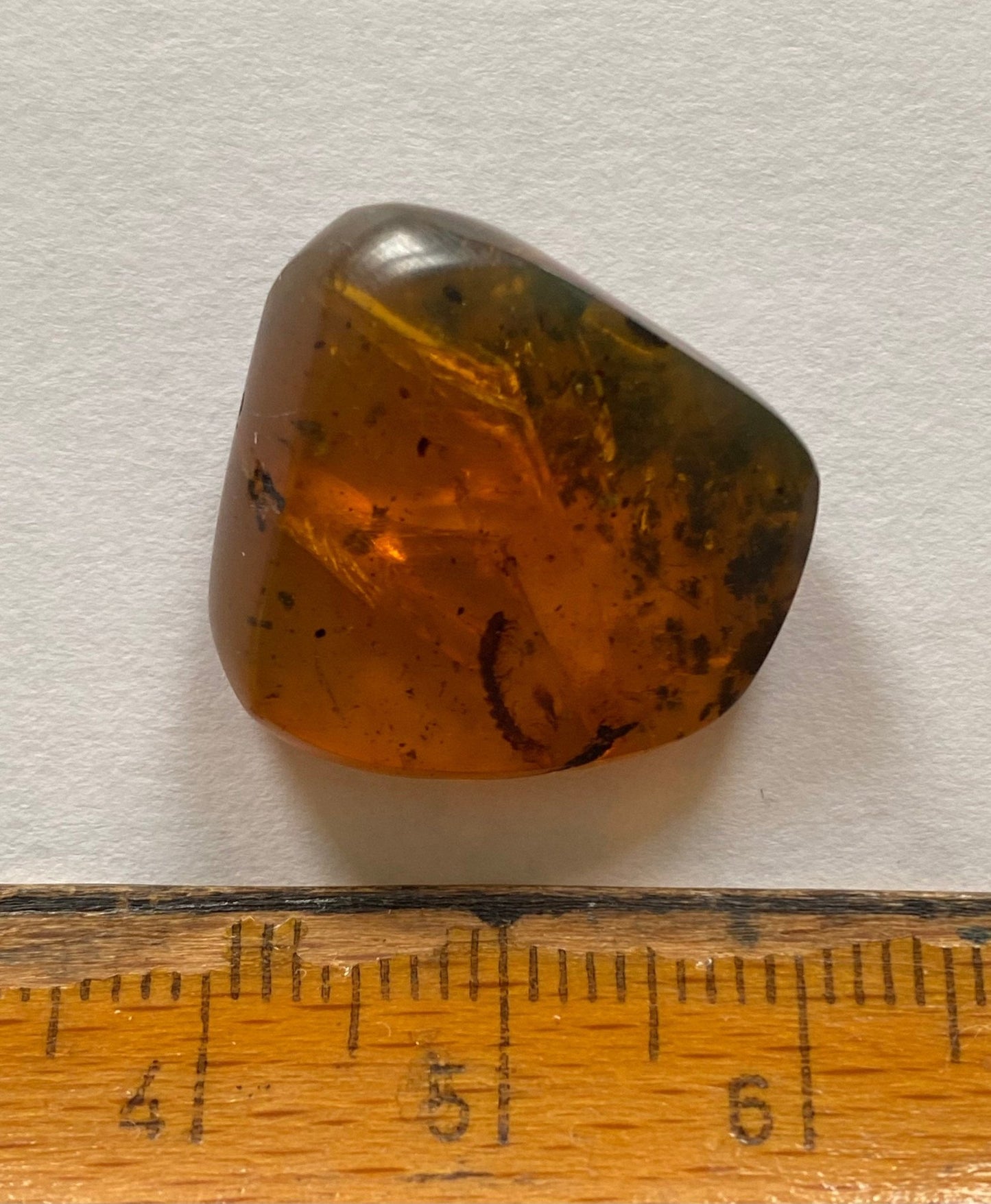
Fossil Milipede insect species in Burmese Amber
Regular price
โฌ55,00 EUR
Regular price
Sale price
โฌ55,00 EUR
Unit price
/
per
Tax included.
Shipping calculated at checkout.
Couldn't load pickup availability
Shipping rates & times
ย
| Destination | # days** | Starting at |
| Domestic (NL) | 1 - 2ย | โฌ6,95 |
| Mainland Europe | +/- 5 | โฌ12,95 |
| Non-EU Europe | +/- 7 | โฌ14,95 |
| USA | 5 - 7 | $30 |
| Australia | +/- 20 | โฌ23,95 |
* Average number of business days in transit
** Other destinations will be calculated automatically during check-out.
*** Shipped with full value insurance
ย
๐ถ Trapped in Time: Burmite Amber ๐ถ
Imagine holding 100-million-year-old history in your hand! Burmite amber, derived from ancient resin, has preserved a treasure trove of prehistoric life. ๐ฟ๐ฆ Insects, plants, and even feathers from the Cretaceous era are trapped within, offering a glimpse into Earth's distant past. Let's delve into the secrets of Burmite amber! This piece preserved a milipede insect species.
Burmese amber, also known as Burmite is amber from the Hukawng Valley in northern Myanmar. Dating back to around 100 million years ago, the mid-Cretaceous period.
Burmese amber is of significant palaeontological interest due to the diversity of flora and fauna Contained as inclusions.
Please be aware that the inclusion is very small and really needs to be looked at with a magnifying glass for the best results
View full details
Imagine holding 100-million-year-old history in your hand! Burmite amber, derived from ancient resin, has preserved a treasure trove of prehistoric life. ๐ฟ๐ฆ Insects, plants, and even feathers from the Cretaceous era are trapped within, offering a glimpse into Earth's distant past. Let's delve into the secrets of Burmite amber! This piece preserved a milipede insect species.
Burmese amber, also known as Burmite is amber from the Hukawng Valley in northern Myanmar. Dating back to around 100 million years ago, the mid-Cretaceous period.
Burmese amber is of significant palaeontological interest due to the diversity of flora and fauna Contained as inclusions.
Please be aware that the inclusion is very small and really needs to be looked at with a magnifying glass for the best results